
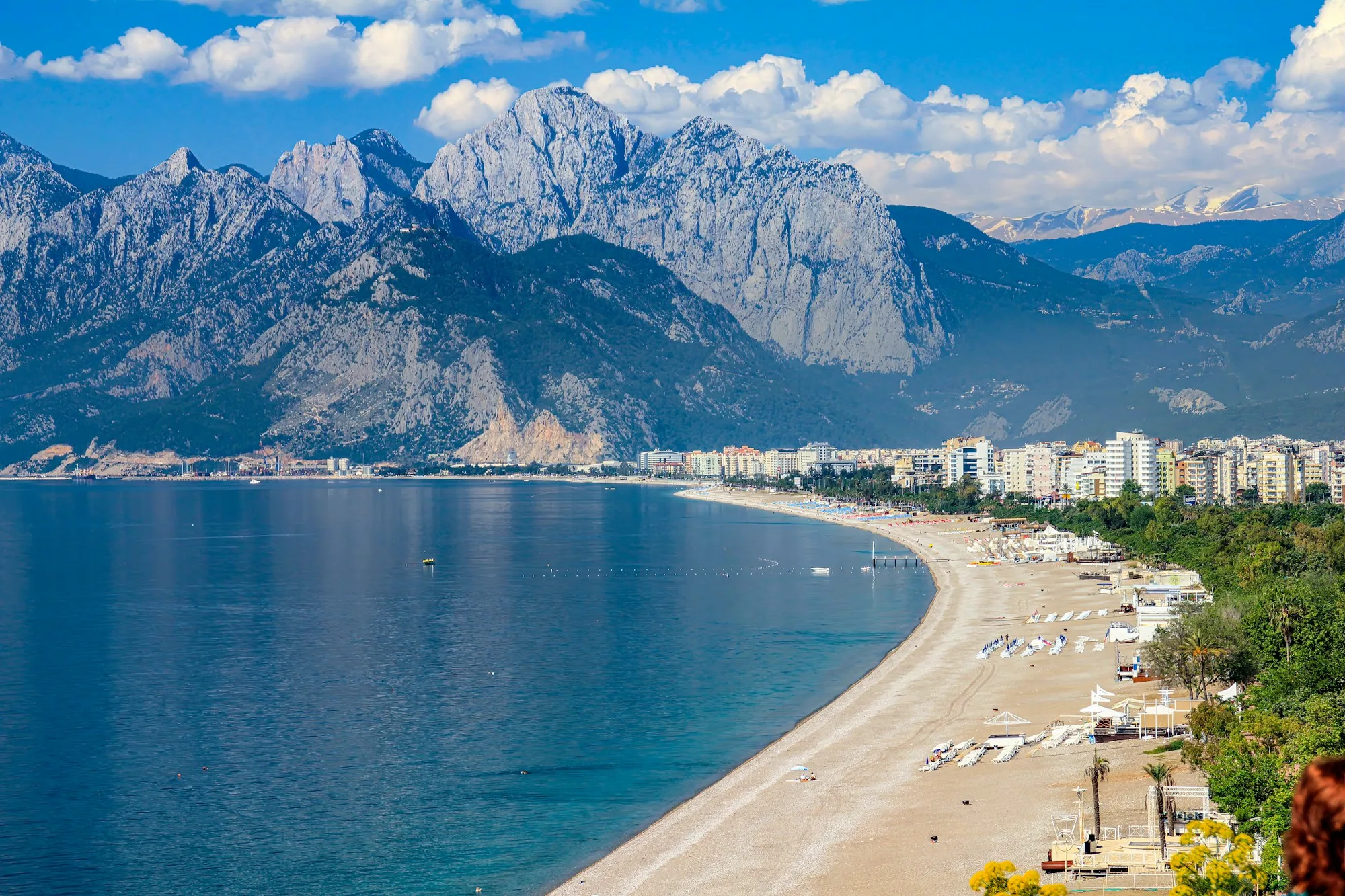
Most people who decide to build on the Turkish Riviera begin with a picture in their mind: light on stone, a terrace above the sea, a house that belongs to the landscape. What stands between that picture and the finished home is not really concrete and marble. It is a sequence of permissions — a legal path that starts with a piece of land and ends with a single document that declares the building fit to live in.
This guide walks that path as it actually runs in Antalya: what to check before you buy land, how a foreign owner takes title, how a building permit is granted, who inspects the construction, and what the occupancy permit means. It is written for owners who want to understand the process they are commissioning — not to replace professional advice, but to make the conversation with your architect, lawyer and contractor a much better one.
It Begins With the Land, Not the House
The single most consequential decision in a build is made before any design exists: which plot you buy. In Turkey, what you may build on a piece of land is defined by its zoning status — the imar durumu — issued by the municipality. It sets out whether the plot is designated for housing, tourism, commercial or agricultural use, how much of it may be covered by a building, how many square metres of floor area you may construct, how many storeys are permitted, and how far the building must sit from each boundary.
Two neighbouring plots of identical size and price can carry entirely different rights. One may permit a generous two-storey villa; the other may be agricultural land where no such home can ever be legally built. This is why a serious purchase begins at the municipality and the land registry rather than at the plot itself — reading the zoning entry, the development plan and the title deed record before any money moves.
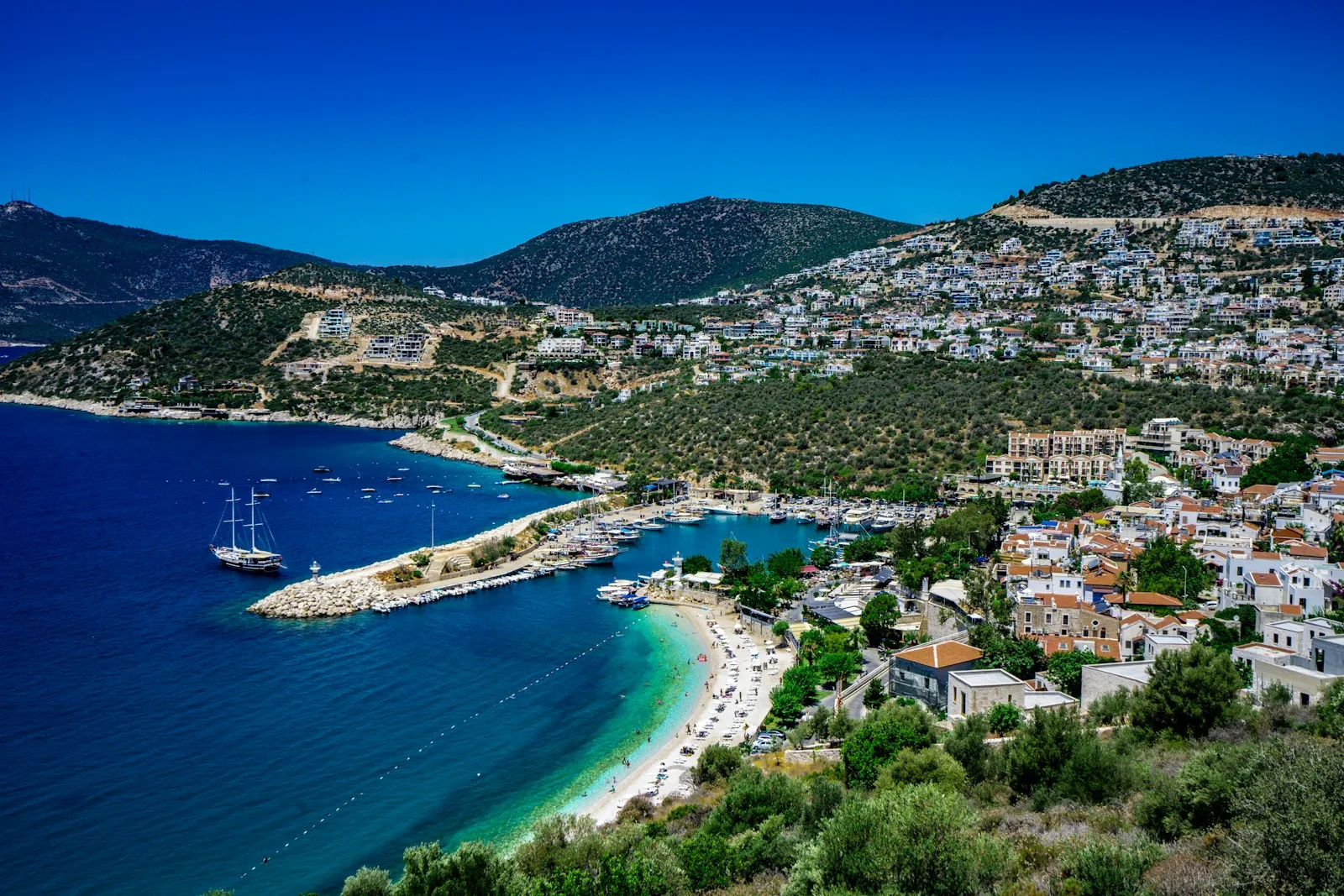
Taking Title: The Tapu
Ownership in Turkey is proved by one document: the tapu, the title deed, registered at the Land Registry Directorate. Turkish law permits foreign nationals of most countries to buy property, subject to national limits on total area held by foreigners and to security clearance, which the land registry now handles as part of the transfer process. Where the seller is selling to a foreign buyer, an official valuation report prepared by a licensed appraiser is also required.
The practical sequence is straightforward but exacting: obtain a Turkish tax number, open a bank account, complete the valuation and mandatory earthquake insurance for any existing structure, then attend the land registry — in person or through a properly drafted power of attorney — where the deed is transferred and the fee paid. The moment that entry changes hands in the registry, you are the owner. Everything that follows is built on it.
One point deserves emphasis for buyers of unbuilt property: the difference between kat irtifakı and kat mülkiyeti. The first is a construction servitude — a share of ownership recorded while the building is still a project. The second is full condominium title, and it can only be established once the building is finished and licensed. A deed that still shows a servitude is telling you the building's paperwork is not yet complete.
Design, Approval and the Building Permit
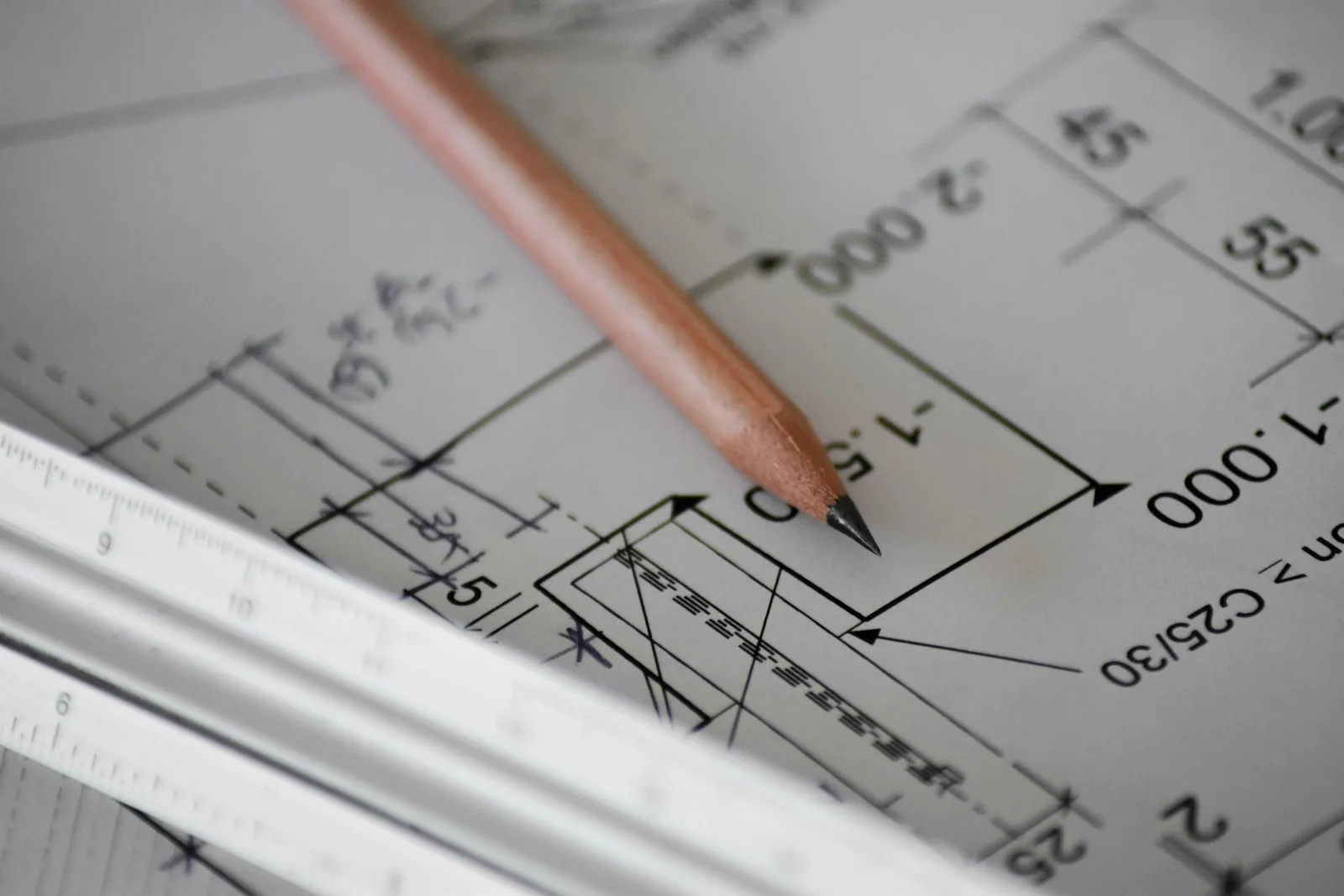
With land secured, the project moves into design. A complete application in Turkey is not an architectural drawing alone; it is a coordinated set of projects — architectural, structural, mechanical and electrical — each prepared by a licensed professional and each stamped by their chamber. The structural design is prepared to the Turkish Building Earthquake Code, which governs how buildings on this coast are calculated and detailed.
These are submitted to the municipality, checked against the zoning rights of the plot and the applicable regulations, and — once correct — result in the yapı ruhsatı, the building permit. This document is the legal authority to build. Work that begins before it exists, or that departs from what it approves, is unlicensed construction, and the consequences run from fines and demolition orders to a building that can never obtain its occupancy permit. Every hour spent getting the permit right is repaid many times over.
Who Watches the Build: Mandatory Inspection
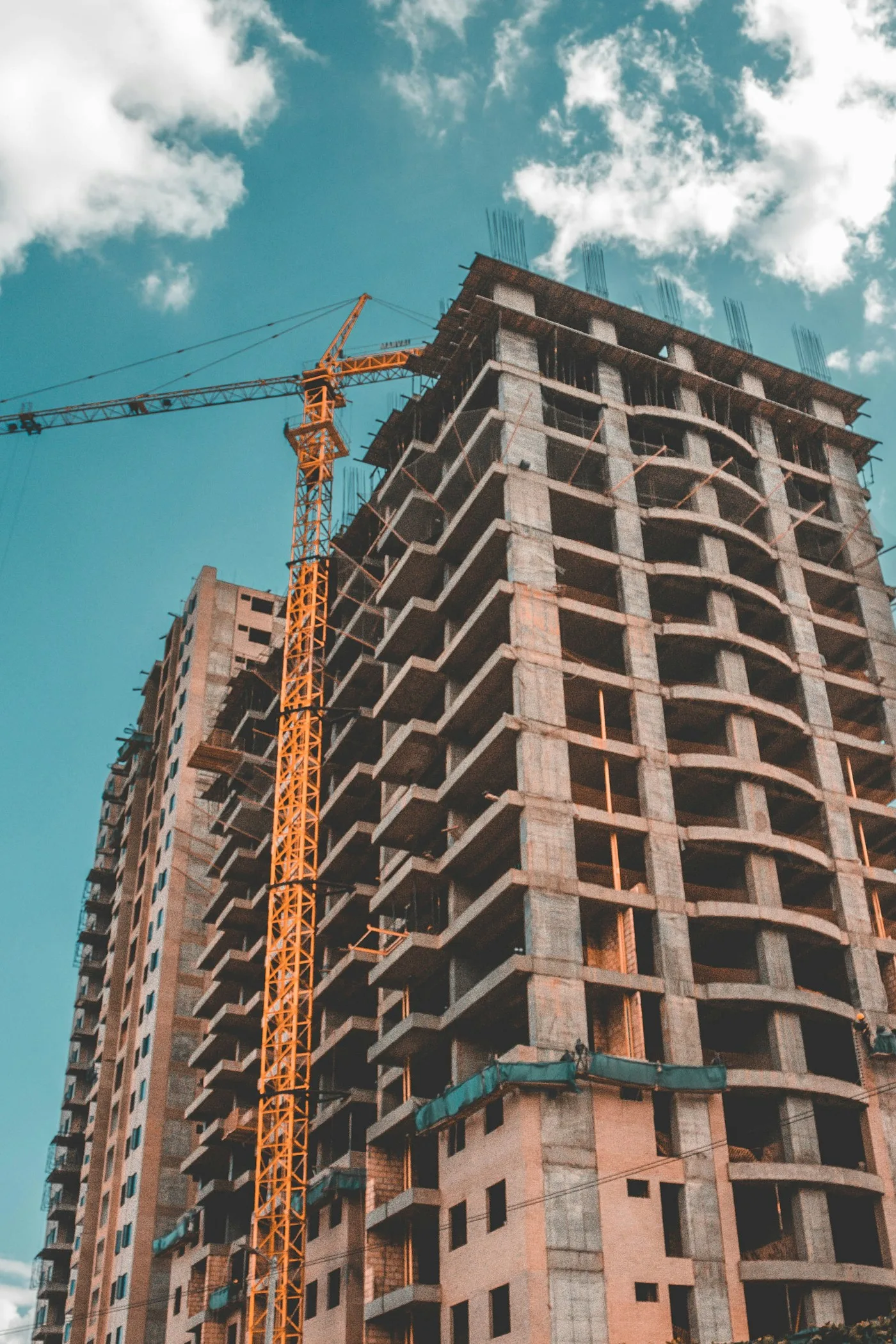
Turkey does not leave construction quality to the contractor's word. Under the building inspection law, an independent, licensed inspection company — the yapı denetim firm — is appointed to supervise the works. It is paid by the owner but answers to the regulations, and its role is to verify that what is built matches what was approved and what the codes require.
Its supervision is continuous and staged: checking reinforcement before concrete is poured, taking and testing concrete samples, approving each level before the next begins, and signing off the structural, mechanical and electrical works as they progress. Construction cannot legally advance past certain stages without those approvals. For an owner — especially one who is abroad for much of the build — this is a genuine protection: a second, independent set of eyes whose signature the project cannot proceed without.
A building is not finished when the work stops. It is finished when the state says it may be lived in.
The Document That Completes a Building: İskân
When construction is complete, the building is not yet legally finished. The final step is the yapı kullanma izin belgesi — the occupancy permit, universally known as iskân. The municipality inspects the completed building against its approved projects, the inspection company issues its final report, obligations such as taxes and utility infrastructure are settled, and only then is the permit granted.
Iskân is not a formality. It is the document that confirms the building was constructed as approved and may lawfully be occupied. Without it, permanent utility subscriptions are not available; full condominium title cannot be established; resale becomes markedly harder and the price suffers; and the owner remains exposed to enforcement over any discrepancy. A beautiful, apparently finished house without iskân is an unfinished legal object.
This is also why the discipline of the earlier stages matters so much. Iskân is granted by comparing the building to the permit. Every unapproved change made along the way — an enlarged terrace, an extra room, a moved wall — becomes a problem at precisely the moment the owner wants to move in. Changes are legitimate and often desirable, but they belong in a revised project approved by the municipality, not in an improvisation on site.
Utilities, and the Keys
With iskân issued, the building can be connected permanently: electricity, water and gas subscriptions in the owner's name, the establishment of condominium title where relevant, and — for apartment buildings — the formal management arrangements between owners. These are administrative steps rather than obstacles, but each requires the occupancy permit as its foundation. This is the point at which a completed house becomes a home that functions.
How Long Does It Actually Take?
Owners are usually surprised by the shape of the timeline rather than its length. Buying land and completing due diligence is typically measured in weeks. Design and permit approval commonly runs several months, depending on the complexity of the project and the municipality's workload — and it is here that unrealistic expectations cause the most disappointment. Construction of a private villa generally takes a year or more from ground to completion. Iskân and the connections that follow add a further period after the building is physically finished.
The honest summary is that a villa built properly on the Turkish Riviera is a project measured in years, not months, and that the permitted paperwork is a substantial part of it. What a well-run project offers is not a shortcut but predictability: the stages happen in the right order, nothing has to be undone, and the building arrives at iskân without surprises.
Where a Turnkey Contractor Fits
Almost none of the above is work an overseas owner wants to conduct personally, in a second language, across several institutions. This is the argument for a turnkey approach: a single party that carries the project from land assessment and design coordination through permits, construction and inspection to the occupancy permit and handover — and that is accountable for the whole of it rather than one slice.
The practical value is in the seams. Most problems in construction do not occur inside a trade; they occur between them — between the design and the permit, between the permit and what was actually built, between the finished building and the paperwork that is meant to describe it. When one organisation is responsible end to end, those seams are somebody's explicit job.

Frequently Asked Questions
Can a foreign national legally build a house in Turkey?
Yes. Foreign nationals of most countries may own land and build on it, subject to national limits on the total area foreigners may hold and to security clearance handled through the land registry. The building process itself — permit, inspection, occupancy permit — is the same as for a Turkish owner.
What is the difference between yapı ruhsatı and iskân?
The yapı ruhsatı is the building permit: legal permission to construct, granted before work begins. İskân, the occupancy permit, is granted after completion and confirms the building was built as approved and may be occupied. A project needs both; the first authorises the work, the second completes it.
What happens if a property has no occupancy permit?
It cannot obtain permanent utility subscriptions in the normal way, full condominium title generally cannot be established, resale becomes harder and less valuable, and the owner remains exposed to enforcement over any deviation from the permit. Missing iskân is one of the most important issues to check before buying any completed property.
Can the design be changed during construction?
Yes, but properly. Changes must be reflected in a revised project approved by the municipality, because the occupancy permit is granted by comparing the finished building to its approved drawings. Undocumented changes made on site are the most common reason iskân is delayed or refused.
Should I check zoning before buying land?
Always, and before any payment. The zoning status determines whether you can build at all, what size and height is permitted, and where on the plot the building may sit. Land is not expensive or cheap in the abstract — it is expensive or cheap relative to what may lawfully be built on it.
A Note on Timing and Advice
Turkish property and construction regulations are periodically revised, and thresholds, fees and procedures change. Everything above describes the structure of the process rather than the figures of any given year, and it is not legal advice. Any specific transaction should be checked with a qualified lawyer and confirmed against the current position of the relevant municipality and land registry.
At Construction Antalya we build on the Turkish Riviera, and we have taken projects through every stage described here — from the first reading of a zoning entry to the day the occupancy permit is issued and the keys are handed over. If you are considering building in Antalya and want the process explained against your own plot and plans, we would be glad to talk.