
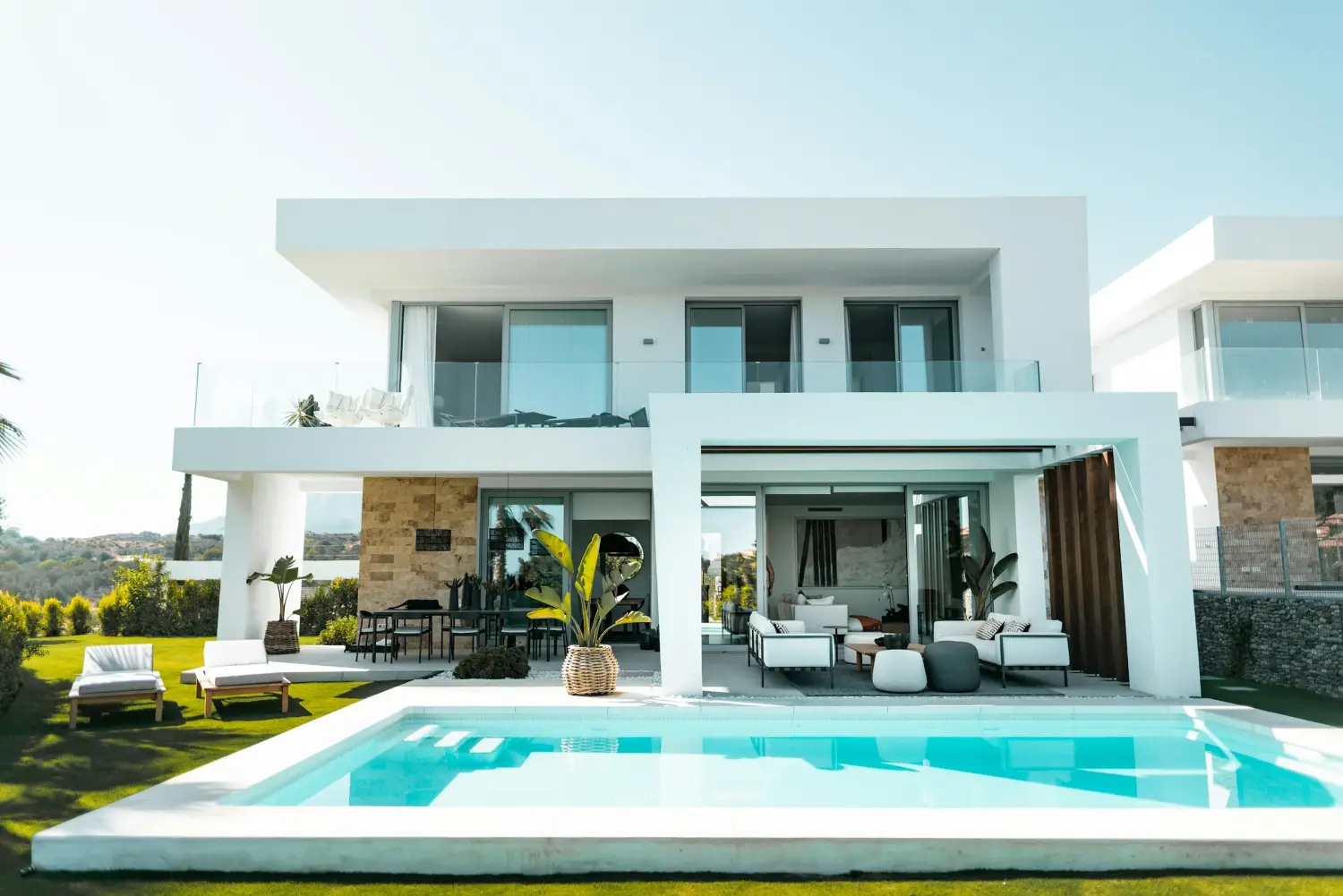
Building a villa on the Turkish Riviera is one of the most rewarding things you can do — and one of the easiest to get wrong without the right guidance. Whether you are planning a sea-view villa in Kalkan, a family home in Belek or a contemporary residence in Bodrum, the difference between a smooth project and a stressful one comes down to preparation. This practical first guide from an experienced Antalya construction company walks you through permits, budgets, materials, timelines and the decisions that matter most before you break ground.
Luxury villa construction in Antalya has matured enormously over the past decade. International owners now expect the same standards they would find in any established Mediterranean market, and the local supply chain — architects, structural engineers, stone masons, joinery workshops and landscape teams — can deliver them. But a beautiful villa still begins with unglamorous groundwork: the plot, the paperwork and a realistic plan. Get those right, and the rest follows.
Start With the Plot: Land, Title Deed and Zoning
Every successful villa project in Antalya starts with the right plot and clean paperwork. Before anything else, confirm the title deed (tapu) is clear and that the land's zoning (imar) permits the kind of villa you want to build — its footprint, height and density are all governed by local planning rules. A steep, sea-view plot in Kalkan or Kaş may offer breathtaking views but demands serious retaining-wall design and structural engineering, while a flat plot in Belek or Side is simpler to build on but may command a different price. A local Antalya builder can assess a plot's true buildability before you commit.
Orientation, access, soil conditions and infrastructure all matter. The direction your villa faces determines how it handles the Mediterranean sun; soil tests determine the foundation design; and the availability of water, electricity and road access affects both cost and timeline. Spending time on plot due diligence is the cheapest insurance you will ever buy on a construction project.
Permits and Paperwork: From Yapı Ruhsatı to İskan
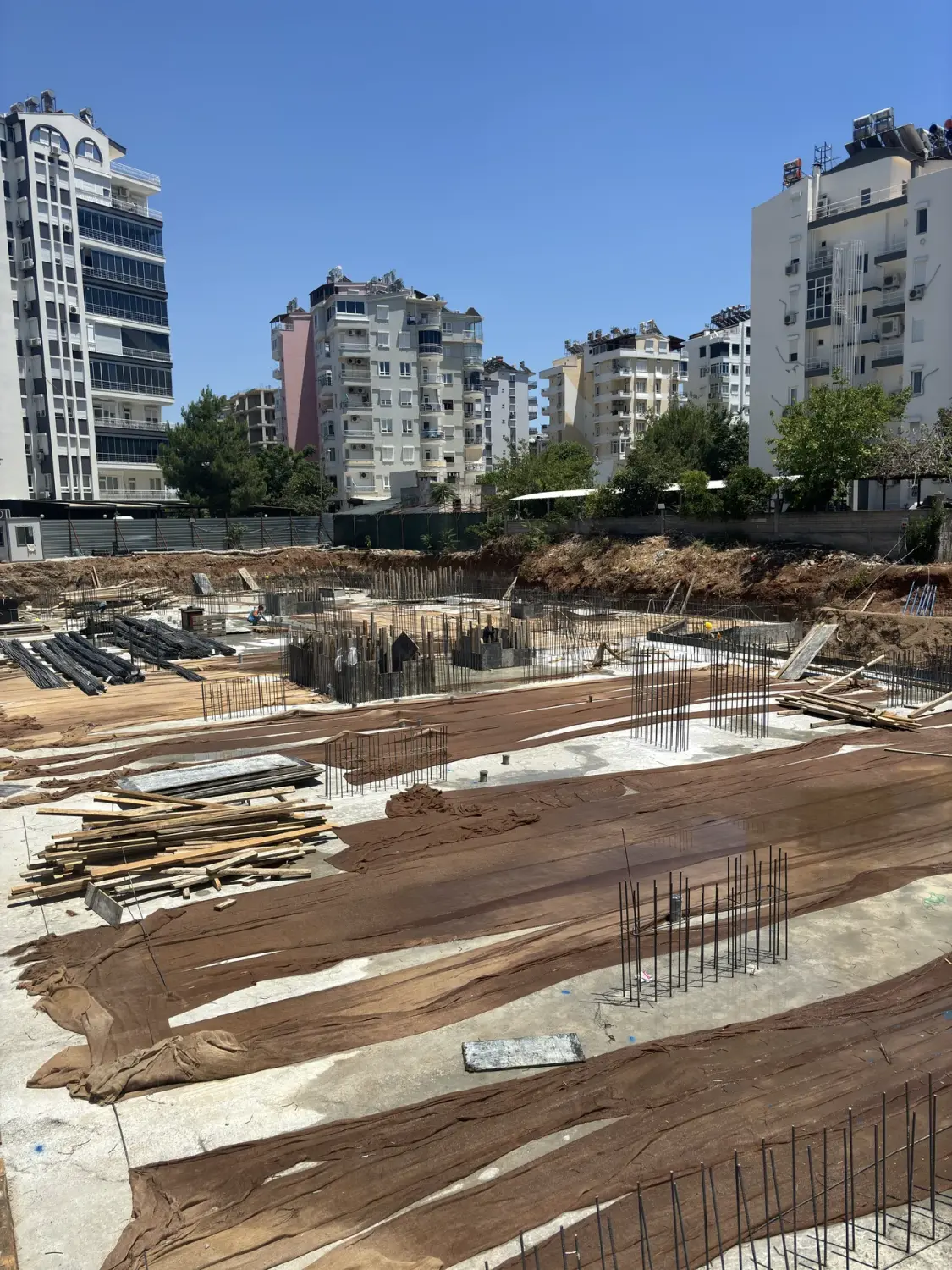
Construction in Turkey is properly regulated, and a professional contractor handles the permit process so you do not have to. After the architectural and structural projects are designed, your contractor applies for the building permit (yapı ruhsatı) from the local municipality. Only once that is granted can foundation work legally begin. At the end of the project, after inspections, the habitation certificate (iskan) is issued — the document that legally confirms your villa is complete, safe and ready to occupy, and which you will need to connect permanent utilities and to resell.
For foreign owners, this paperwork can feel daunting, but it is routine for an established Antalya construction company. The same partner that manages your permits should also handle compliance with earthquake-resistant building codes, energy regulations and inspection milestones — all of which protect the value and legality of your investment.
A villa is only as good as the plan behind it — the most expensive mistakes are the ones made before the first concrete is poured.
Design: Architecture That Suits the Climate and the Site
Great villa design on the Turkish Riviera is about more than a striking façade. It is about how a home lives in the Mediterranean climate — how it shades its terraces in August, captures sea breezes, frames the view and connects indoor and outdoor living. The best architects in Antalya design for the site, not against it: stepping a villa down a Kalkan slope, orienting living spaces toward the water, and protecting bedrooms from the afternoon sun. This is where collaboration between architect, interior designer and contractor pays off most.
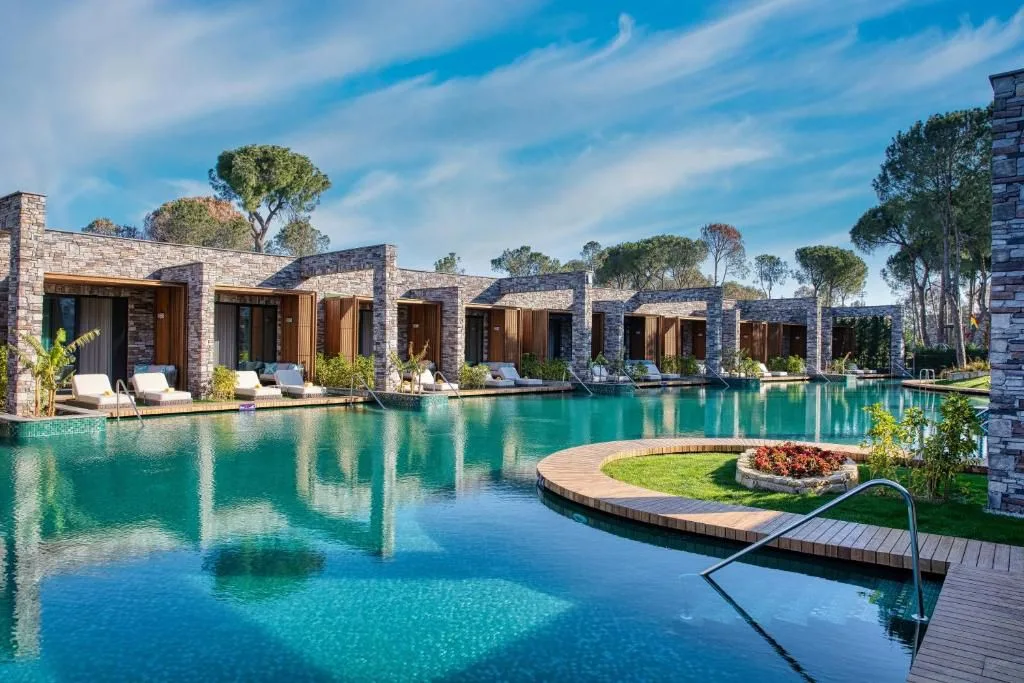
Modern luxury villas in Antalya tend to favour open-plan living, large sliding glazing, infinity pools, shaded outdoor kitchens and seamless transitions to landscaped gardens. But every one of those features is also a construction decision — large glazing needs proper thermal performance, infinity pools need flawless waterproofing, and outdoor living needs durable, slip-resistant natural stone. Designing and building as one integrated process keeps these decisions joined up.
Budget: Understanding the True Cost of a Villa
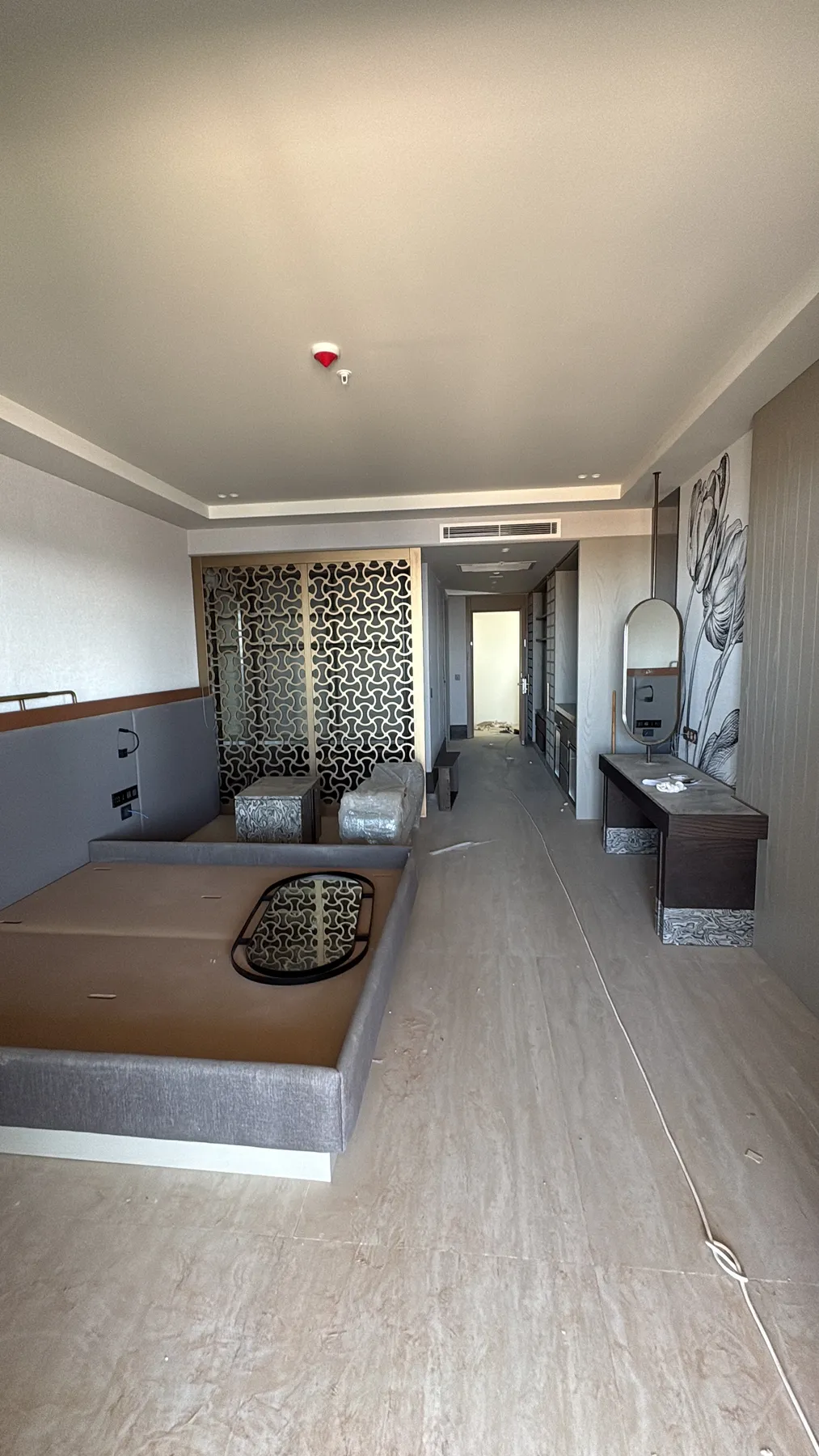
Setting a realistic budget is the foundation of a stress-free build. The cost of building a luxury villa in Antalya depends on size, plot conditions, structural complexity and the level of finish you choose. A clear, itemised budget should break down the structure, the roof and envelope, mechanical and electrical systems, insulation and waterproofing, interior finishes, joinery, kitchens and bathrooms, the pool, and the landscaping. When every line is visible, you can make informed choices about where to invest and where to economise.
Beware the cheapest quote. In construction, an unusually low price almost always hides shortcuts — thinner concrete cover, cheaper waterproofing, lower-grade joinery — that reappear as expensive repairs within a few years on a demanding coastal site. The smartest spending puts quality where it is hidden (structure, waterproofing, mechanical systems) and beauty where it shows (stone, joinery, lighting). A trustworthy Antalya contractor will help you strike that balance rather than simply quote the lowest number.
Materials: Building for a Coastal Climate
Material choice is where luxury and longevity meet. On the Antalya coast, materials are punished by salt air, intense sun and seasonal rain, so a good builder specifies for durability as well as appearance. Natural stone and large-format porcelain stand up to the climate and the foot traffic of a holiday villa; marine-grade fixings resist corrosion; high-performance glazing controls heat and glare; and breathable, well-insulated façades keep the interior comfortable and energy bills low.
Inside, bespoke joinery, solid timber, marble and quality sanitaryware define the feel of a luxury villa. These are the surfaces you touch every day, and they are where craftsmanship is most visible. Sourcing from established local workshops — many of them within easy reach of Antalya — gives you control over quality and the ability to inspect work in progress, an advantage that imported, made-to-order finishes rarely offer.
The Build: What Actually Happens on Site
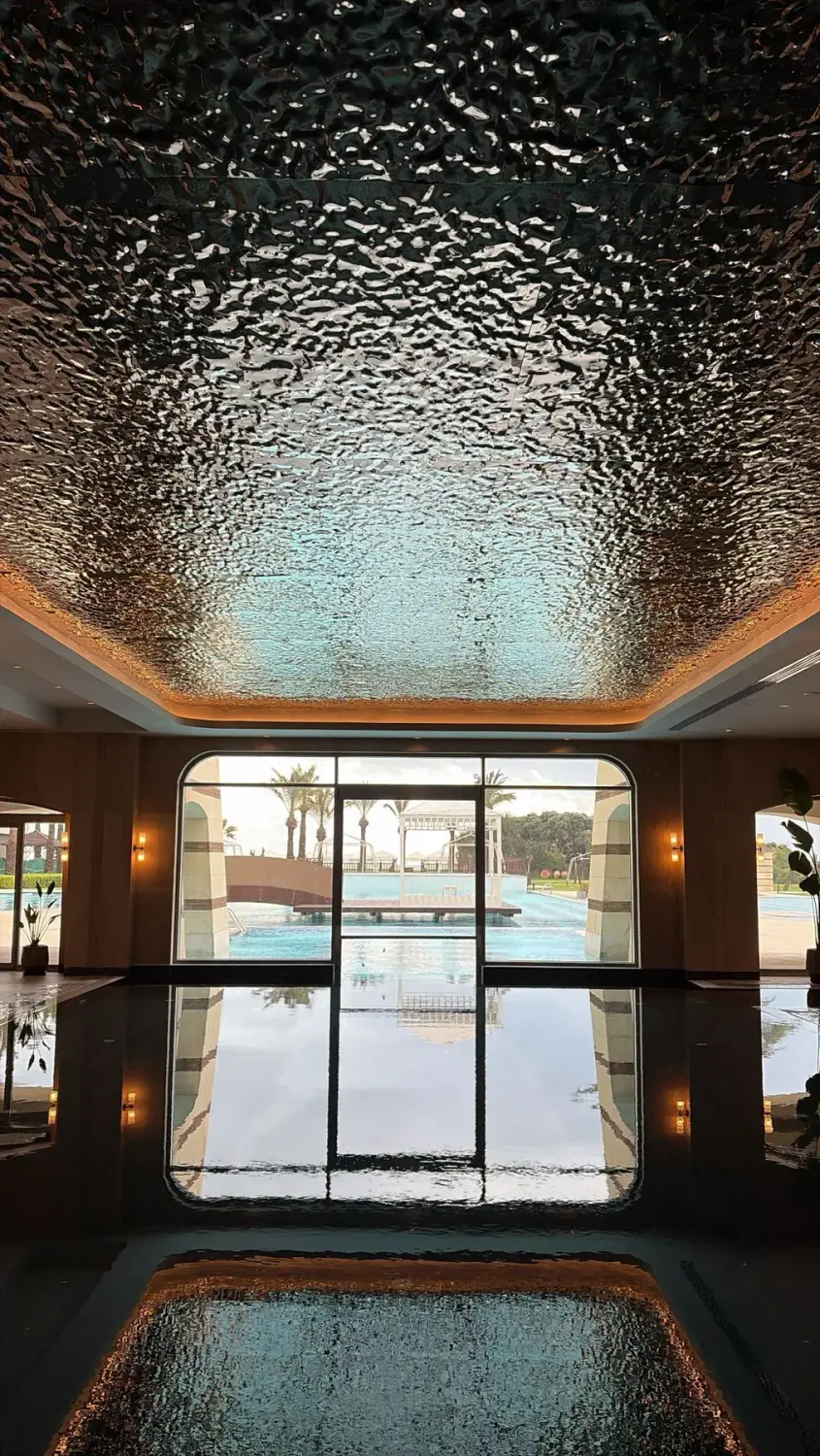
Once permits are in hand, construction follows a logical sequence. Excavation and foundations come first, followed by the reinforced concrete structure — the skeleton that everything else depends on. Next come the roof and external envelope, then the mechanical and electrical first-fix (plumbing, electrics, heating and cooling routed through the structure), insulation and waterproofing. Only then does the project move into the interior fit-out: plastering, flooring, joinery, kitchens, bathrooms, lighting, and finally landscaping and the pool. Each stage has to be finished correctly before the next begins, which is why sequencing and supervision matter so much.
A professional Antalya construction company supervises every stage with its own site team, controlling quality at each milestone rather than discovering problems at handover. For overseas owners, this is delivered with regular reporting — photographs, video walk-throughs and progress updates — so you can follow your villa rising from anywhere in the world, and make decisions in good time.
Project Management: The Difference Between Stress and Calm
More than any single material or detail, professional project management is what separates a pleasant build from a painful one. A dedicated project manager coordinates the architect, engineers and trades, keeps the programme on track, controls the budget, manages variations and gives you a single point of contact for everything. This in-house, turnkey model is especially valuable for international clients who cannot be on site and need to trust that their interests are protected at every step.
Good project management also means honest communication when things change — because on any real construction project, some things always do. A weather delay, a design improvement, a material substitution: handled transparently and early, these are minor; hidden or mishandled, they become disputes. Choosing a contractor who communicates openly is as important as choosing one who builds well.
Build once, build properly — a well-made villa rewards you for decades; a rushed one bills you for them.
A District Guide for Villa Construction on the Turkish Riviera
Where you build shapes how you build. Kalkan is the Riviera's signature sea-view villa market, with steep hillside plots that reward bold architecture and demand expert retaining-wall and structural design. Kaş, a little further along, shares that boutique, view-driven character with a more bohemian feel. Belek is flatter, greener and golf-focused — ideal for spacious family villas and gated communities close to five-star resorts. Side and Kemer blend tourism with growing second-home demand, while Konyaaltı and Lara, closer to the city, suit those who want urban convenience alongside the coast.
Bodrum, just along the Aegean coast, is a distinct high-end market in its own right, known for stone-clad villas, minimalist white architecture and a discerning international clientele. A construction company that works across all of these areas understands the planning rules, plot challenges and buyer expectations specific to each, and can guide you to the right location for a private home, a rental investment or a resale-focused build.
Pools, Outdoor Living and Landscaping
On the Turkish Riviera, the garden is half the villa. Infinity pools, shaded terraces, outdoor kitchens, pergolas and Mediterranean planting are what turn a house into a holiday home — and they are among the most technically demanding elements to build well. An infinity pool needs flawless waterproofing, precise levels and robust filtration; an outdoor kitchen needs proper services; and a hillside garden needs drainage and retaining design that survives heavy winter rain. Treating landscaping as an afterthought is one of the most common and costly mistakes owners make.
Designing the pool, terraces and garden alongside the villa — rather than bolting them on at the end — produces a more coherent result and a more reliable build. Durable, slip-resistant natural stone, quality decking, integrated lighting and irrigation, and planting suited to the Antalya climate all contribute to outdoor spaces that look beautiful and last for years with minimal upkeep.
Common Mistakes to Avoid When Building a Villa
Most villa-building regrets are avoidable. The biggest is choosing a contractor on price alone, which invites the hidden shortcuts that surface as leaks, cracks and failures within a few years. Others include skipping proper plot due diligence, underestimating the budget for finishes and landscaping, changing the design repeatedly during construction, and failing to plan for the Mediterranean climate with adequate shading, insulation and waterproofing. Each of these adds cost and stress later.
The antidote is simple in principle: choose an experienced, transparent Antalya construction company, agree a clear and itemised budget, finalise the design before breaking ground, and insist on regular reporting throughout. Owners who invest time in preparation and choose their construction partner carefully almost always enjoy the process — and end up with a villa that performs as beautifully as it looks.
Why Build With an In-House Construction Company
The single biggest predictor of a successful villa project in Antalya is whether your contractor controls the work directly or simply subcontracts it out. An in-house Antalya construction company that employs its own site teams, supervisors and key trades can guarantee quality, hold the programme and answer for every detail. A broker who passes your project down a chain of disconnected subcontractors cannot. For a luxury villa that has to last decades on a demanding coastal site, direct control is not a luxury — it is the whole point.
In-house delivery also means accountability after handover. When one company designs, builds and finishes your villa, there is no one to blame and no gap in responsibility if something needs attention later. That continuity — from the first sketch to the warranty period and beyond — is what gives international owners genuine peace of mind, and it is the model serious developers on the Turkish Riviera increasingly insist on.
Frequently Asked Questions About Building a Villa in Antalya
How long does it take to build a luxury villa in Antalya?
A bespoke luxury villa on the Turkish Riviera typically takes between twelve and twenty-four months from building permit to handover, depending on size, plot difficulty and the complexity of the finishes. A clear programme and in-house project management are the best protection against delays, especially on steep sea-view plots in Kalkan or Kaş where groundwork takes longer.
Can I build a villa in Antalya as a foreign owner?
Yes. Foreign nationals regularly commission new-build luxury villas across Antalya, Belek, Kalkan, Kaş and Bodrum. A professional Antalya construction company manages the title deed (tapu), zoning, building permit (yapı ruhsatı), inspections and the habitation certificate (iskan) on your behalf, and keeps you updated remotely throughout the build.
What is a turnkey villa project?
Turnkey villa construction means one accountable contractor delivers everything — design coordination, permits, structure, mechanical and electrical systems, fit-out, joinery, pool and landscaping — and hands you the finished, certified home ready to live in. For owners who value certainty and a single point of responsibility, turnkey design-and-build is the simplest and safest route.
How do I choose the right construction company in Antalya?
Look for licensed engineering, a transparent itemised budget, completed projects you can visit, references from previous clients, and a willingness to explain the difficult parts of the process honestly. The right Antalya builder controls the main trades directly, communicates openly and stands behind the structure with a clear warranty long after handover.
Should I buy a finished villa or build my own?
Building your own villa lets you control the plot, the layout, the materials and the quality, and often delivers better long-term value than a quick speculative build. The trade-off is time and involvement. With a strong turnkey contractor managing the process and reporting remotely, building a bespoke villa in Antalya is far less demanding than most owners expect — and the result is a home made exactly for you.
How much should I budget for finishes and landscaping?
Finishes, joinery, the pool and landscaping often account for a larger share of a luxury villa's cost than owners expect, because this is where quality is seen and felt every day. A realistic budget treats natural stone, bespoke joinery, kitchens, bathrooms, lighting, the pool and the garden as core items rather than extras. An itemised budget from your Antalya contractor lets you balance investment between the structure you cannot see and the finishes you live with.
At Construction Antalya, we guide owners through every stage of villa construction on the Turkish Riviera, from plot assessment and permits to structure, finishes and final handover. If you are dreaming of a villa in Kalkan, Bodrum, Belek or anywhere along the Antalya coast, we would be glad to help you plan it properly and build it once, the right way.
From the first plot visit to the moment you turn the key, building a villa on the Turkish Riviera should feel like a partnership, not a gamble. With the right preparation, a transparent budget and an experienced Antalya construction company beside you, your dream villa in Kalkan, Bodrum or Belek can be exactly what you imagined — designed for the climate, built for the decades, and finished to a standard you will be proud of every single day.