
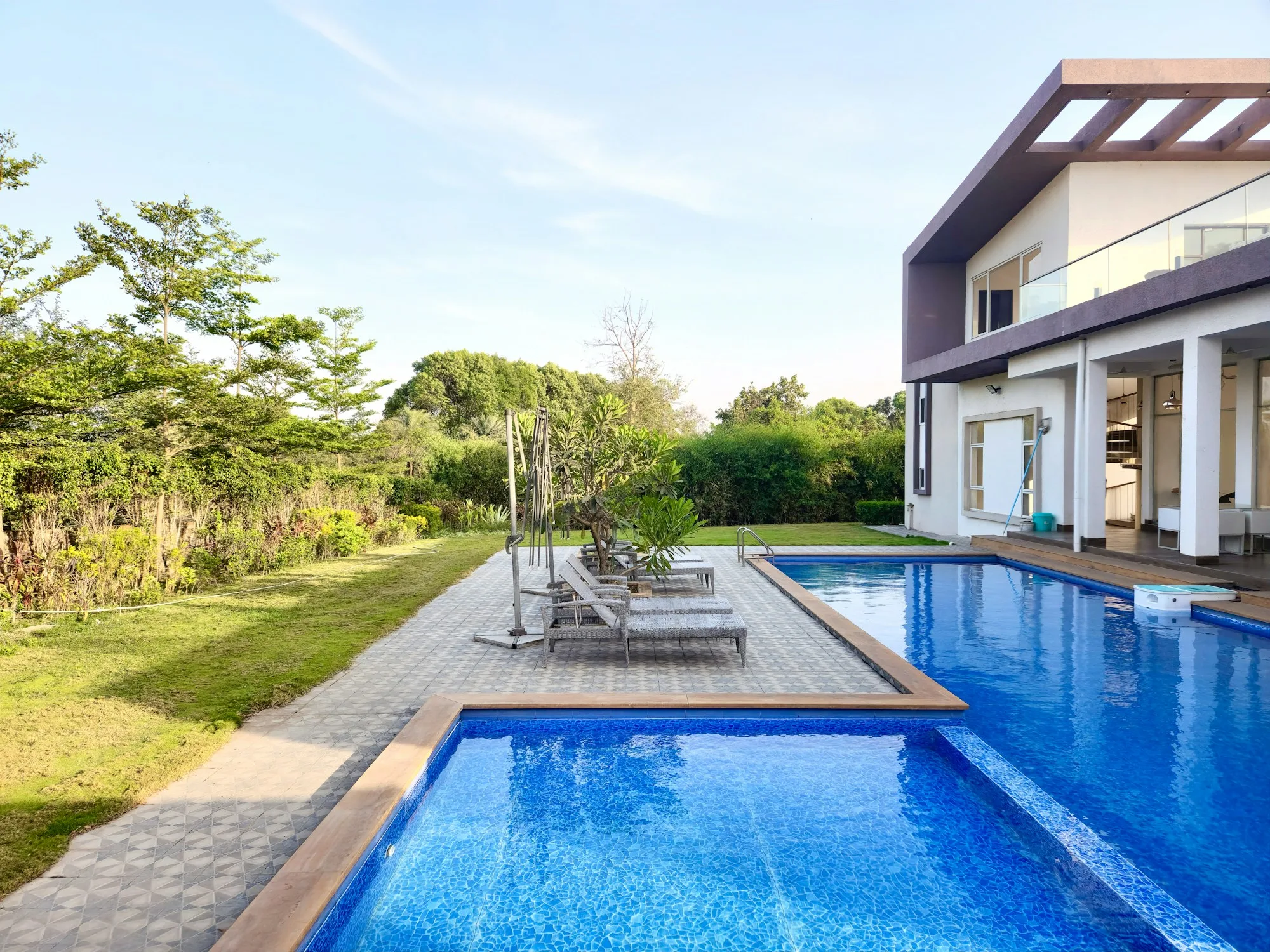
It is the first question almost every owner asks, and the one most likely to be answered too optimistically: how long does it actually take to build a villa on the Turkish Riviera? The honest answer is that a private villa in Antalya is a project measured in months of construction wrapped inside a longer story of design and paperwork — and understanding how those months are spent is the difference between a build that feels controlled and one that feels endlessly late.
This guide walks the whole timeline as it really runs: the months before the ground is broken, each stage of construction from foundations to finishes, and the steps that follow completion. The figures below are realistic ranges rather than promises, because size, complexity, site conditions and the season all move them — but the sequence, and the reasons each stage takes the time it does, do not change.
The Short Answer
For a typical private villa, the construction itself — from breaking ground to a finished, handover-ready home — usually takes somewhere between twelve and eighteen months. A compact, straightforward house can come in under a year; a large villa with pools, basements, complex geometry and a high level of finish can run beyond it. Around that construction period sits a design-and-permit phase before it and an occupancy-and-connections phase after it, each adding its own time. A realistic overall expectation, from buying land to holding the keys, is closer to two years than to one.
That is not slow; it is what building well requires. The projects that disappoint are almost always the ones that were sold on an impossible timeline and then measured against it. The ones that satisfy are planned honestly from the start.
Before the Ground: Design and Permit
The clock most owners start — the day the digger arrives — is not where the project begins. Before it comes design and approval: a coordinated set of architectural, structural, mechanical and electrical projects, each prepared and stamped by licensed professionals, then submitted to the municipality for the building permit. Depending on the complexity of the villa and the workload of the municipality, this phase commonly runs several months, and it is where impatience does the most damage. We cover it in full in our guide to the legal path from permit to occupancy.
The temptation is to treat this period as lost time and to rush it, or worse, to begin building before the permit exists. It is the opposite: time spent getting the design and permit right is what allows every later stage to run without stopping. A villa cannot be built faster than its paperwork allows, and starting without it risks a build that can never be legalised at all.
The Build, Month by Month
Once the permit is granted and the contractor mobilises, construction follows a sequence that has to happen in order. Each stage depends on the one before it being complete and correct, which is why a well-run site protects the programme not by rushing individual tasks but by never having to redo them.
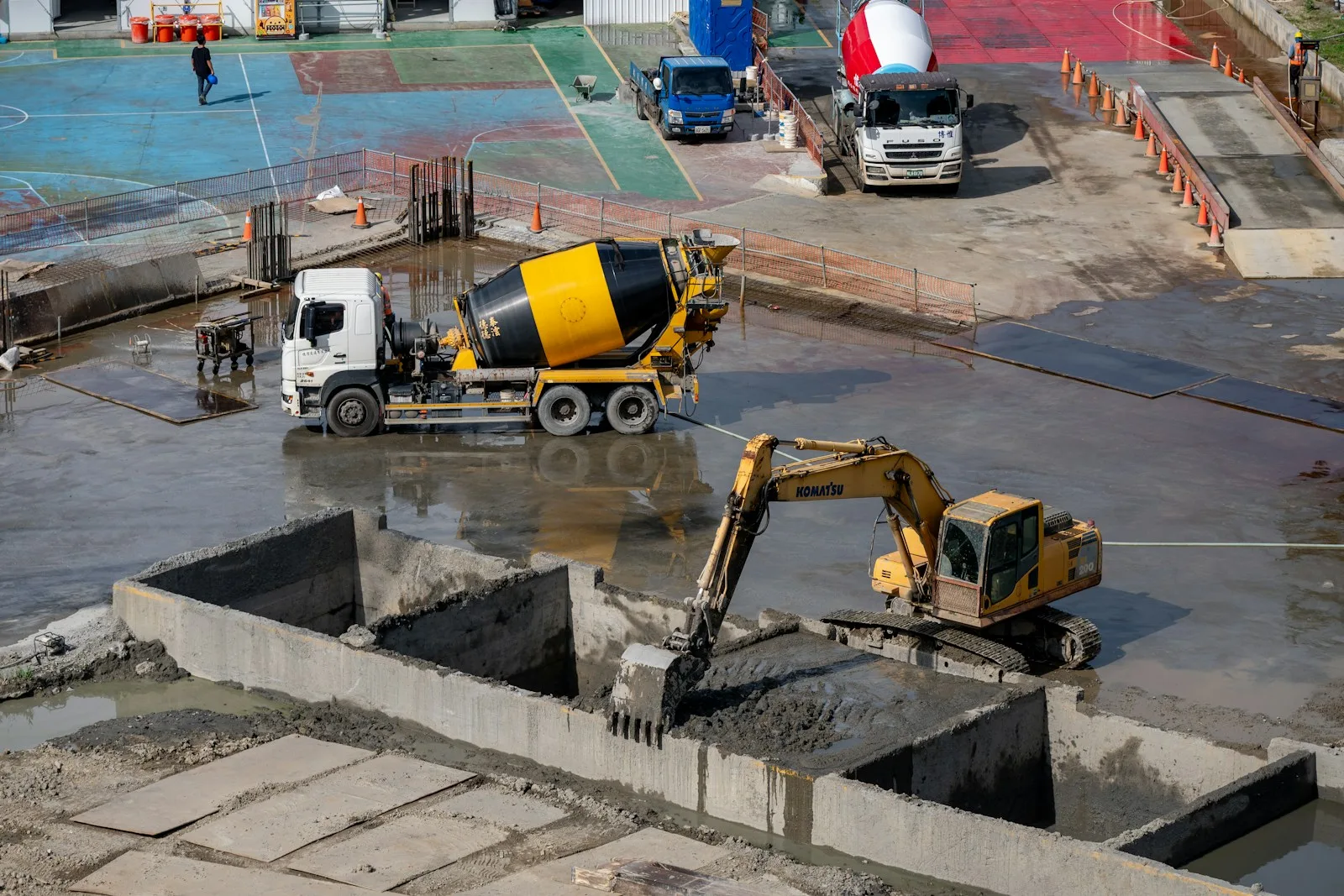
Months 0–2: Groundworks and Foundations
The first stage is site preparation and the foundations: clearing and setting out the plot, excavation, and pouring the reinforced foundations that will carry the whole building. On the Turkish coast, where the ground near the sea can be complex and the region is seismically active, this stage is engineered to the soil that is actually there and is not one to hurry. It is also where any surprises in the ground reveal themselves, so a realistic programme leaves room for them.
Months 2–6: The Structure Rises
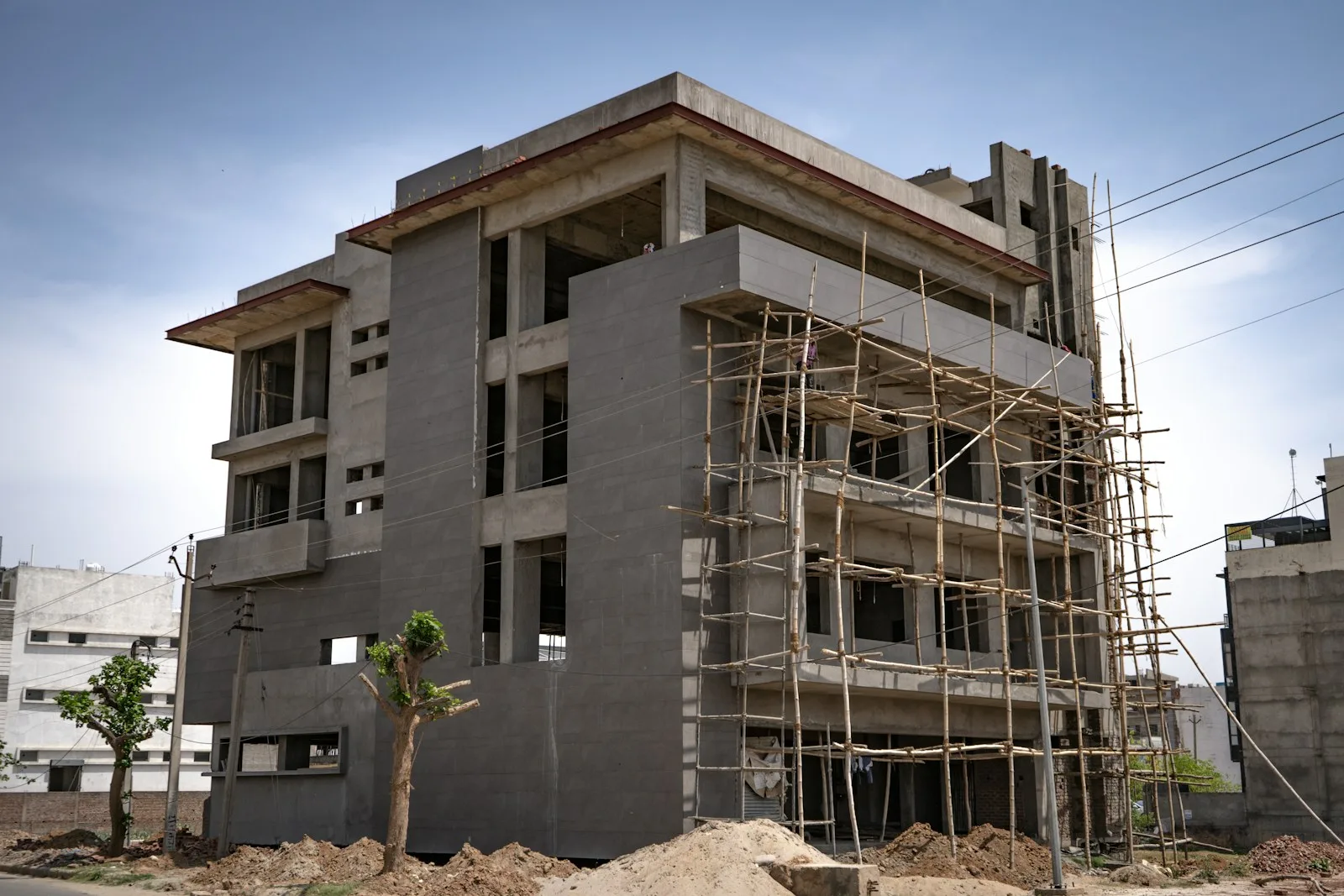
Next comes the shell — the reinforced concrete frame of columns, beams and floor slabs that gives the villa its shape and strength. This is kaba inşaat, the structural phase, and it is the true foundation of quality: every finish that follows depends on the accuracy of the structure handed over here. Under the mandatory building-inspection regime, each level is checked and approved before the next begins, which is a protection rather than a delay. We explain why this stage matters so much in why shell construction quality is the foundation of luxury.
Months 5–9: Envelope, Services and Plaster
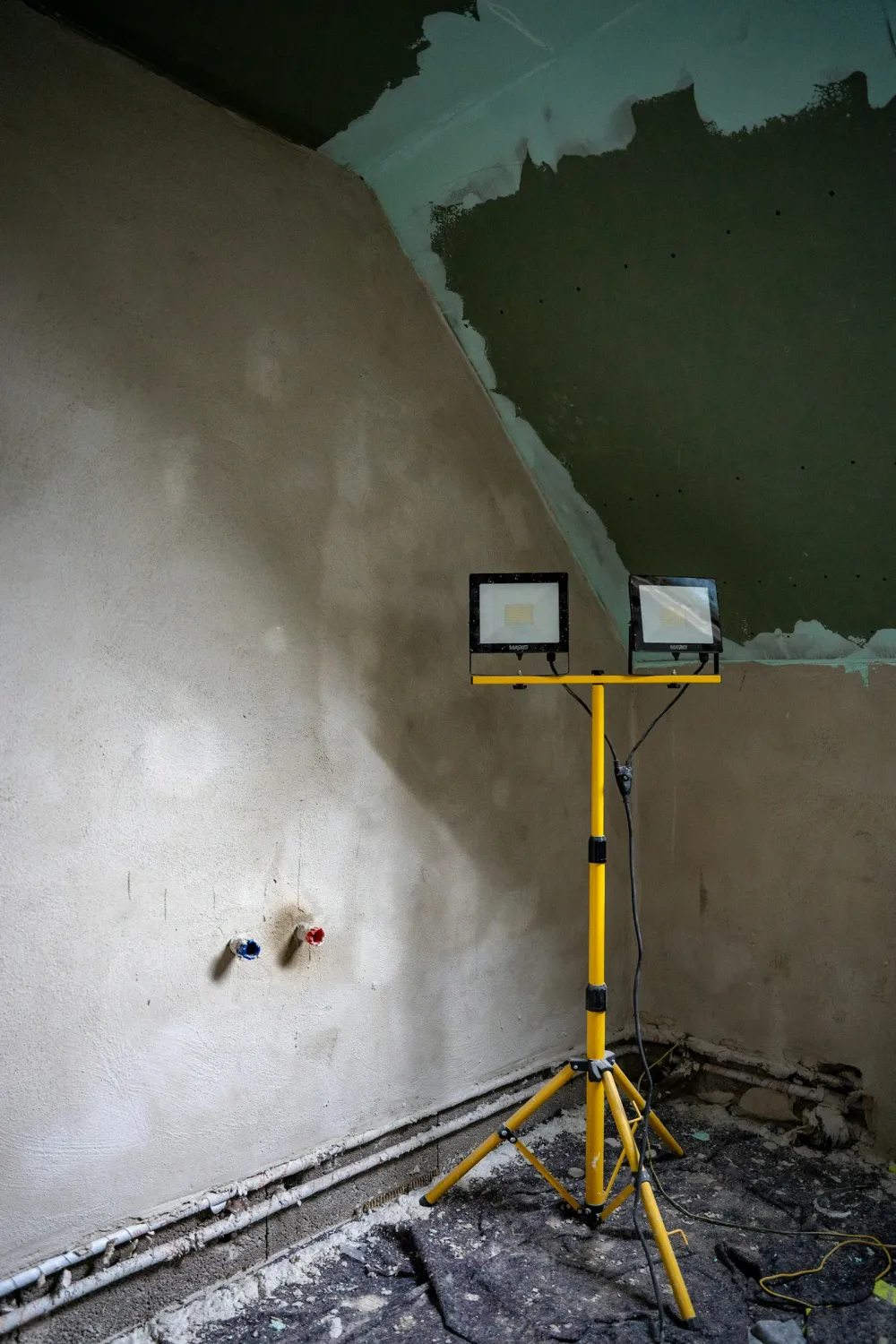
With the structure complete, the villa is sealed and the hidden work begins. The roof and external envelope close the building against the weather; walls are built; and the first fix of mechanical and electrical services — the pipes, cables, ducts and routes that a modern home relies on — is installed within them before plaster covers everything. These stages overlap, and a well-coordinated site runs them in parallel where it safely can, which is one of the quiet ways an experienced contractor protects the programme.
Months 8–13: Finishes and Fit-Out
This is the longest and most detailed stage, and the one the owner will ultimately touch and see. Screeds and plaster are finished; floors, stone and tiling are laid; joinery, kitchens and bathrooms are installed; the second fix of electrics and mechanical services is completed; and painting and final detailing bring the interior to life. Finishing cannot be rushed without showing — it is precise, sequential work, and the quality of the result is decided by the time and care given to it. This is where a luxury villa becomes luxurious.
Months 12–15: Completion, İskân and Handover
As the finishes complete, the villa moves toward legal completion. The municipality inspects the finished building against its approved projects, the building-inspection firm issues its final report, and the occupancy permit (iskân) is granted — the document that confirms the home was built as approved and may lawfully be lived in. Permanent utility connections follow, and only then is the villa truly finished: not when the work stops, but when it can be occupied. Then come the keys.
What Makes a Timeline Slip — and How to Protect It
Most delays are not mysterious; they are predictable, and a well-run project designs them out in advance. Changes made mid-build are the most common cause: every unapproved variation asked for on site ripples through the sequence and, if it departs from the permit, resurfaces at iskân. Decide as much as possible before construction starts, and route genuine changes through a proper revision rather than an improvisation.
The other classic causes are a contractor stretched across too many sites, unpaid subcontractors stopping work, materials ordered too late, and weather in the wettest months. Each of these traces back to the same root: the discipline of the contractor running the site. This is exactly why choosing the right contractor and structuring the contract — with a realistic programme, a delay penalty and payments tied to verified stages — protects your timeline far more than any promise of speed. A schedule kept honest from the start is the one most likely to be met.
Frequently Asked Questions
How long does it take to build a villa in Antalya?
Construction of a typical private villa usually takes twelve to eighteen months from breaking ground to a handover-ready home. Adding the design-and-permit phase before it and the occupancy-and-connections phase after it, a realistic expectation from buying land to keys is closer to two years. Size, complexity, site conditions and season all move the figure.
Can a villa be built faster than a year?
A small, simple villa on straightforward ground can be completed in under a year of construction, but the full process — design, permit, build, iskân and connections — rarely fits inside twelve months once everything is counted. Beware any promise of a very fast villa; it usually means either a very modest build or a timeline that will not hold.
Which stage of building takes the longest?
Finishes and fit-out is normally the longest and most detailed stage, often several months, because it is precise, sequential work — flooring, joinery, kitchens, bathrooms, second-fix services and decoration — and its quality is decided by the care given to it. The structural shell is faster but must be accurate, because everything in the finishing stage depends on it.
What causes construction delays, and can they be avoided?
The most common causes are changes made mid-build, a contractor spread across too many projects, unpaid subcontractors, late material orders and winter weather. Most are avoidable with decisions made before construction starts, a realistic programme, and a disciplined contractor whose contract ties payments to verified stages and includes a delay penalty.
Does the timeline include getting the occupancy permit?
It should. A villa is not legally finished when the building work stops but when it receives its occupancy permit (iskân) and permanent connections. Budget time for this final stage after physical completion, because without iskân the home cannot obtain permanent utilities, be fully titled, or be sold normally.
Planning a Build You Can Rely On
A villa on the Turkish Riviera rewards owners who plan its timeline honestly: who allow for the design and permit, understand that construction is a year-and-more of sequential work, and leave room for the completion that follows. Done that way, the process is not a source of anxiety but a series of expected stages, each arriving when it should.
At Construction Antalya we build private villas and hotels on this coast, and we plan every project as a realistic programme rather than an optimistic promise — so that owners, many of them abroad for much of the build, always know where their project stands. If you are planning a villa in Antalya and want a realistic timeline for your own plot and design, we would be glad to talk it through.