

Sooner or later, almost every owner of an older property on the Turkish Riviera faces the same question — and it is rarely as simple as it first seems. The apartment, villa or hotel is tired, the layout no longer works, the finishes are dated. Should you renovate what is there, or tear it down and build new? Get this decision right and you protect both your money and years of your life. Get it wrong and you can spend a fortune renovating a building that should have been replaced, or demolish one that only needed refreshing.
This guide is about how to make that decision well in Antalya. It is not a sales pitch for either answer, because the right choice depends entirely on the specific building — its structure, its location, its condition and your goals. What follows is the framework a serious owner or investor should use, and the questions that decide it.
The Real Question Is Not Taste — It Is Structure
Most people begin this decision by looking at surfaces: the kitchen, the bathrooms, the floors, the facade. But surfaces are the easy part — anything visible can be changed. The decision is really made below the surface, in the structure: the foundations, the reinforced concrete frame, the columns and slabs that hold the building up. If the structure is sound, almost anything above it can be renovated. If the structure is compromised, no amount of beautiful finishing will fix the building, and money spent on it is money placed on a foundation that cannot carry it.
This is why the honest version of "renovate or rebuild" always starts with an assessment of the structure by a qualified engineer — not with mood boards. An older building on this coast may be perfectly sound and simply dated, or it may hide problems that make renovation a poor investment. You cannot know which until someone qualified has looked past the plaster. Everything that follows depends on that answer.
When Renovation Is the Right Choice
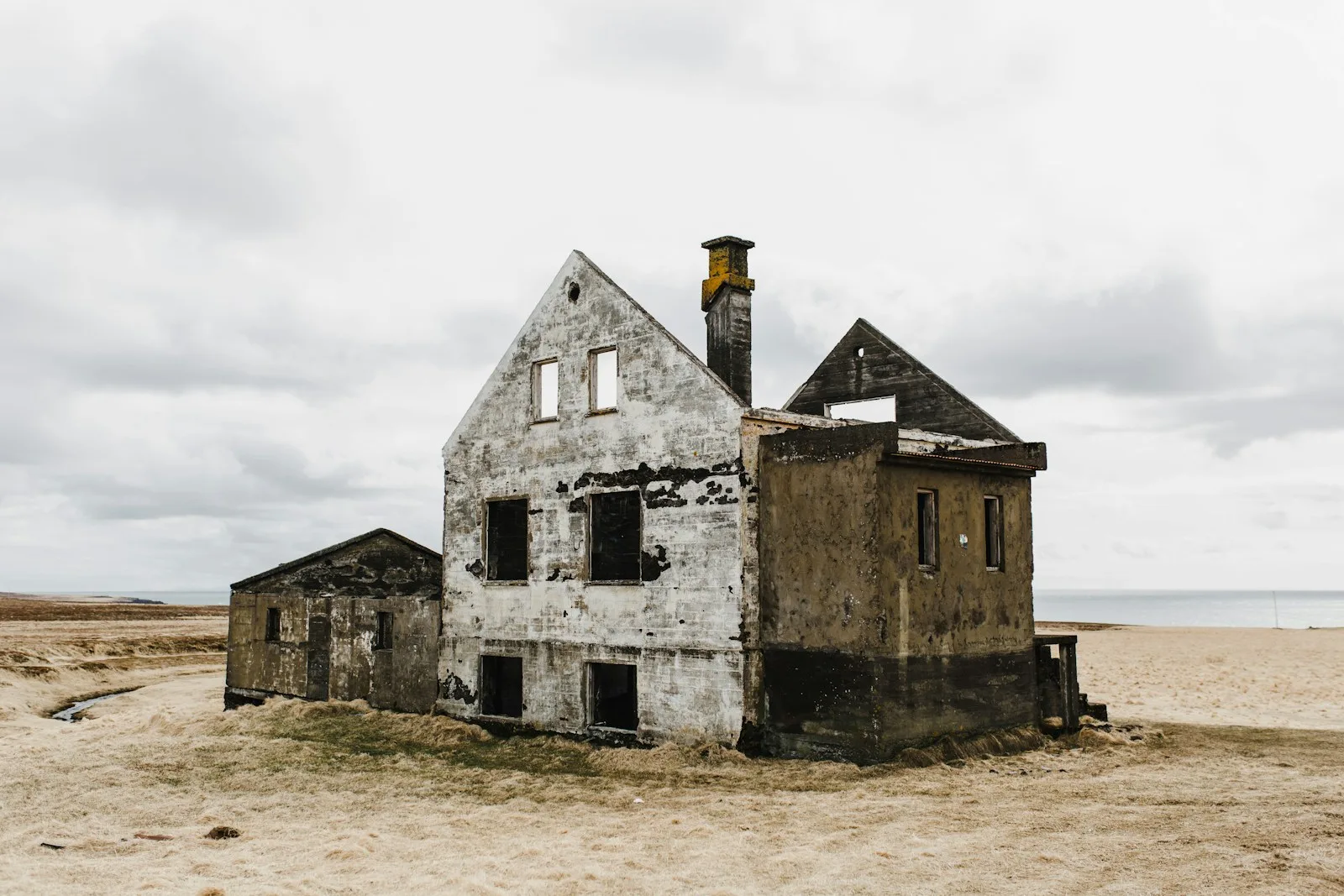
Renovation is usually the stronger decision when the building's bones are good. If a qualified assessment confirms that the foundations and structure are sound and built to a reasonable standard, then renovation lets you keep that value and spend your budget where it shows — new layouts within the existing frame, new services, new finishes, new life. A structurally sound building in a good location is an asset worth preserving and improving rather than discarding.
Renovation also tends to win when the location or the building itself carries value that a new build could not replicate: a mature plot, an established position, a footprint or character that reflects how the property sits in its surroundings. And it is often faster and less disruptive than a full rebuild, which matters enormously for an income-producing property — a hotel or a rental — where every month closed is a month not earning. When the structure is sound and the goal is to modernise and elevate, renovation is frequently the intelligent choice.
When Rebuilding Is the Smarter Move
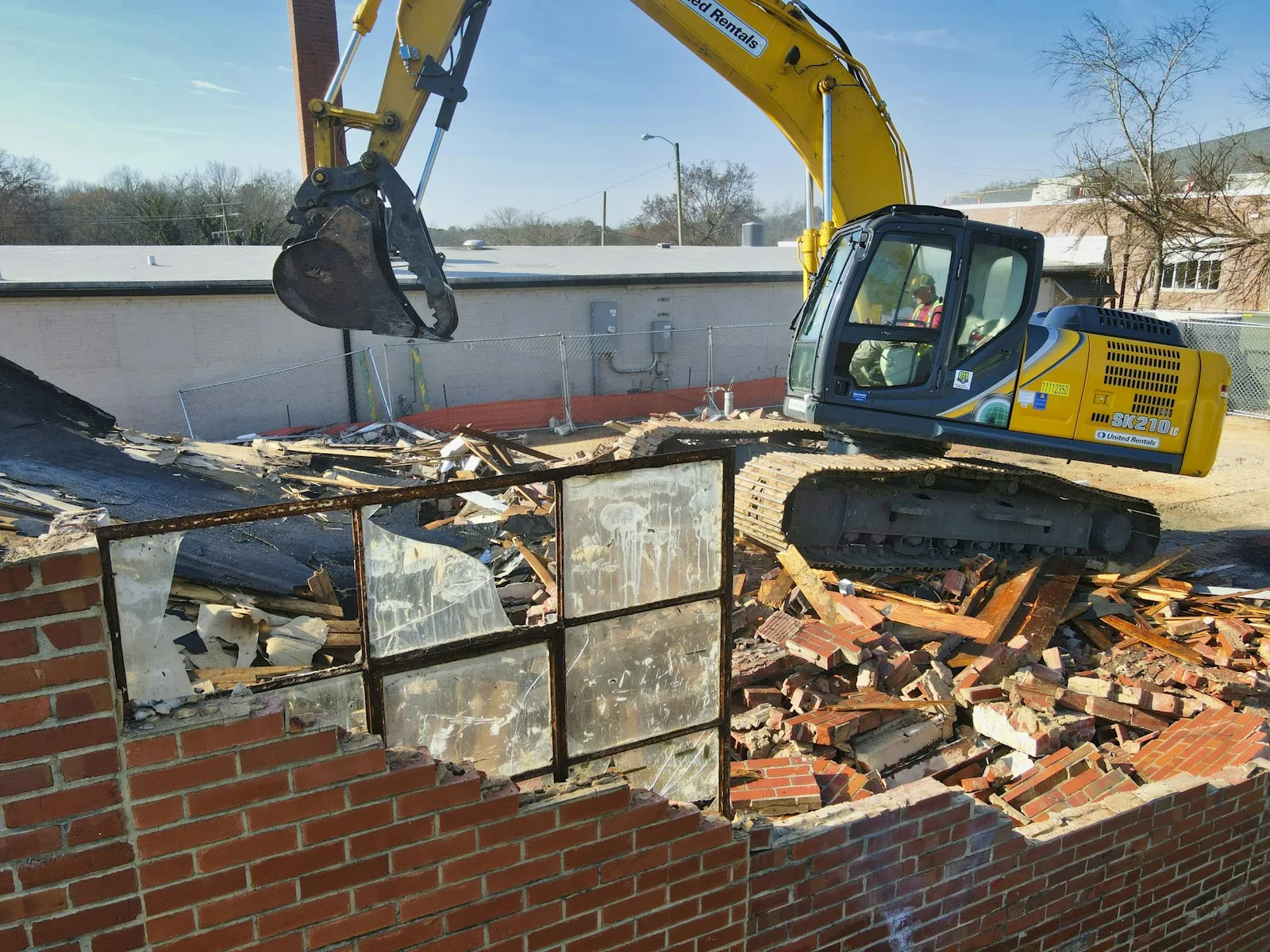
Rebuilding becomes the better decision when the existing structure works against you rather than for you. The clearest case is structural: if the assessment finds foundations or a frame that are inadequate, damaged or built to standards well below what is required today, renovating over them is spending good money to preserve a problem. On the Turkish Riviera this is not a minor point, and it deserves its own section below.
There is also a cost tipping point that catches many owners. Renovation feels cheaper because it starts cheaper, but a deep renovation that has to open up structure, replace all services and correct decades of compromises can quietly approach — or exceed — the cost of a new building, while still leaving you with an old building's limitations. When the works required are extensive enough, a new build can deliver more for a similar spend: a better layout unconstrained by the old frame, current standards throughout, a full warranty and a fresh occupancy permit. And when the fundamental problem is the layout itself — a plan that cannot give you what you need no matter how it is refinished — no renovation can solve what only a new design can.
The Turkish Riviera Factor: Seismic Code and Older Buildings
There is one consideration on this coast that outweighs taste, budget and convenience combined: earthquake safety. Antalya and the wider region are seismically active, and Turkey's building earthquake code has been strengthened significantly over the years. Many older buildings were constructed under earlier, less demanding standards — and a cosmetic renovation that refreshes the surfaces while leaving the original structure untouched can produce a beautiful building that still carries the seismic risk it always had.
This is the single most important reason to assess the structure before deciding. If an older building does not meet current seismic standards, the responsible options are either a structural strengthening carried out properly as part of the renovation, or a rebuild to current code. What is not responsible is spending heavily on finishes over a structure that cannot protect the people inside it. For any older property here, earthquake safety is not one factor among many — it is the factor that should lead the decision.
The Hotel Dimension: Renovating Between Seasons
For hotel and resort owners on the coast, this decision carries an extra layer, because time is revenue. A hotel that closes for a full rebuild loses one or more seasons of income, which changes the maths entirely. This is why so much hotel work is phased renovation timed to the closed season — refreshing rooms, public areas and systems in the months between guests, keeping the asset earning while it improves.
But the same structural logic still applies, only with higher stakes. A hotel carries far greater loads and far more people than a villa, so its structure and safety cannot be treated as cosmetic questions. The right answer for a hotel is often a carefully staged renovation that respects the season — but it must be built on an honest assessment of what the structure and systems actually need, planned by a contractor who can deliver complex work to a hard deadline. It is exactly the kind of project where experience across both new hotel construction and renovation earns its value.
Permits Apply to Renovation Too
A common and costly assumption is that renovation escapes the paperwork that a new build requires. It does not. Minor cosmetic work is one thing, but any renovation that touches the structure, changes the layout significantly, or alters the building's footprint requires municipal approval — and heavy work can require its own permit and its own path back to a valid occupancy permit. Unpermitted structural changes are exactly the kind of discrepancy that surfaces later, when the property is sold or re-registered.
This matters for the renovate-or-rebuild decision itself, because a renovation extensive enough to need full approval and structural work may be closer in cost and process to a rebuild than it first appears — another reason the two options should be costed honestly against each other rather than assumed. As with any build, the paperwork is part of the project, not an afterthought to it.
How to Decide, in Practice
The right process is the same whether the property is a villa or a hotel. Start with a qualified structural and condition assessment — before any design work, and certainly before any purchase if you are buying to renovate. Establish honestly what the structure needs, whether it meets current seismic standards, and what a full renovation would actually involve. Then cost both paths — a thorough renovation and a rebuild — against each other, including permits, and compare not just the price but what each delivers: the limitations you keep with a renovation versus the freedom and current standards of a new build.
Only then is it a real decision rather than a guess. Most poor outcomes in this area come from deciding emotionally — "it just needs a refresh," or "let's start completely fresh" — before anyone has looked at the structure or costed the alternative. The owners who choose well are the ones who let the building, and the numbers, answer the question. And in every case, the quality of the answer depends on the contractor and team you choose to assess and carry out the work.

Frequently Asked Questions
Is it cheaper to renovate or rebuild?
Renovation usually starts cheaper, but a deep renovation that opens up structure, replaces all services and corrects old compromises can approach or exceed the cost of a new build — while still leaving an old building's limitations. The only honest answer comes from costing both paths for your specific property, including permits, rather than assuming renovation is always the economical choice.
How do I know if my building needs rebuilding rather than renovating?
Start with a qualified structural assessment. If the foundations and frame are sound and meet current standards, renovation usually makes sense. If they are inadequate, damaged, or built well below today's seismic requirements, rebuilding — or a proper structural strengthening — is often the responsible choice. The decision should be led by the structure, not the finishes.
Do older buildings in Antalya meet current earthquake standards?
Many do not. Turkey's building earthquake code has been strengthened over the years, and buildings constructed under earlier standards may not meet current requirements. This is the most important reason to assess the structure before renovating, because a cosmetic renovation over an unsafe structure leaves the seismic risk in place behind a new surface.
Does a renovation need a permit in Turkey?
Minor cosmetic work is different from structural or layout changes, but any renovation that touches the structure, significantly changes the layout, or alters the footprint requires municipal approval, and heavy work can need its own permit and a valid occupancy permit. Unpermitted structural changes cause problems later when a property is sold or re-registered.
Can a hotel be renovated without closing for a whole season?
Often, yes. Much hotel renovation is phased into the closed season to keep the asset earning — refreshing rooms, public areas and systems between guests. But the structure and safety must still be honestly assessed, and complex work delivered to a hard deadline requires a contractor experienced in both hotel construction and renovation.
Deciding With Confidence
Renovate or rebuild is one of the most consequential decisions an owner makes, and it is one that rewards evidence over instinct. Assess the structure, respect the seismic reality of this coast, cost both paths honestly, and let the building tell you which it should be. Done that way, either answer is a good one — a safe, current, valuable property that was the right decision rather than a hopeful one.
At Construction Antalya we build and renovate villas and hotels on this coast, and we are as ready to tell an owner that their building is worth preserving as we are to build them a new one. If you have an older property in Antalya and want an honest assessment of whether to renovate or rebuild it, we would be glad to look at it with you.